Playground Inspection Company: What We Do and How an Inspection Can Help You Manage Hazards
- Jan 30
- 2 min read
Updated: Feb 23
If you’re searching for a Playground Inspection Company, you’re likely trying to understand the current condition of a playground and whether there are issues that should be addressed. Playgrounds are designed for play and involve inherent risks. Inspections are one way owners and operators can identify conditions that may warrant maintenance, repair, or further evaluation.
This article is general information only. It is not legal advice, does not create a client relationship, and should not be relied on as a substitute for professional consultation for your specific site, jurisdiction, or circumstances.

What a Playground Inspection Company Typically Evaluates
1) Equipment condition and observable hazard indicatorsPlayground inspection practices often reference published standards for public playground equipment. For example, ASTM F1487 addresses a range of topics related to public playground equipment, including materials/manufacture, performance requirements, layout, installation, maintenance, and signs/labels. A site inspection may document observable conditions that could be relevant under those categories (e.g., missing components, damaged parts, or conditions that could affect use). ASTM F1487-25
Important context: An inspection reflects conditions observed at the time of the site visit. Conditions can change due to weather, vandalism, wear, and maintenance activity. No inspection can guarantee that injuries will not occur.
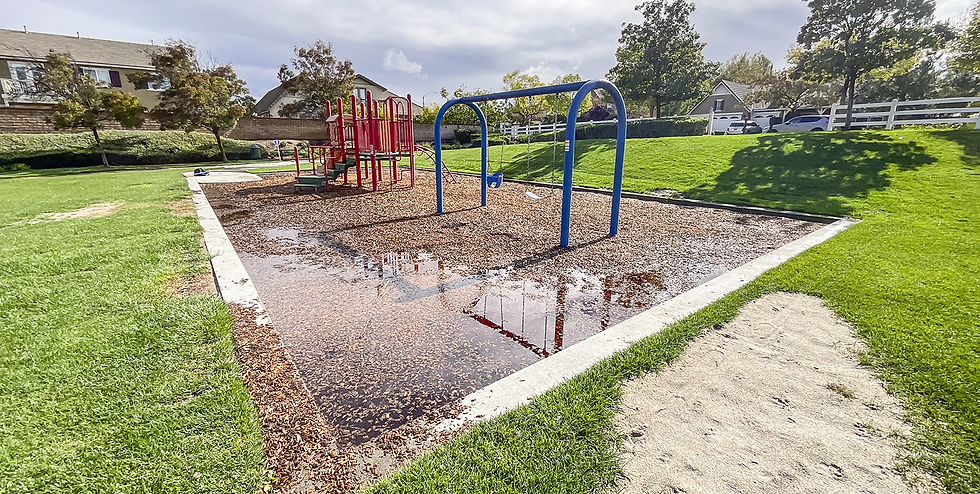
2) Protective surfacing performance and changing site conditions. Falls are a common type of injury on playgrounds, and surfacing can influence injury severity.
Some playground inspection companies also conduct field testing intended to assess the impact attenuation of installed surfacing. ASTM F3313 describes a field test method that simulates impact and reports measures such as g-max and HIC.
3) Documentation and maintenance planning (practical value)
Many owners/operators use inspections to:
Prioritize maintenance items and plan repairs
Create a written record of observed conditions
Support budgeting decisions for repair versus replacement
Establish a baseline for routine checks and follow-up evaluations
Routine inspections.
What You May Receive After an Inspection
Deliverables vary by provider and scope. Depending on what you contract for, you may receive:
A written report describing observed conditions and locations
Photographs documenting site conditions at the time of inspection
Prioritized observations to assist with maintenance planning
Surfacing notes and, where separately contracted, field test results and related documentation
To avoid misunderstandings, confirm the scope in writing (for example: visual-only assessment vs. field testing; number of play areas; what standards are being used; and what documents you will receive).
When to Engage a Playground Inspection Company
You may consider an inspection when:
You have installed new equipment or completed repairs/renovations
You have concerns based on observed wear, damage, or incident history
You are setting or updating a maintenance plan and budget priorities
You suspect surfacing displacement/compaction in high-use zones
You need periodic documentation of conditions as part of routine operations
Practical Risk - Management Notes
(Operational, Not Legal Advice)
Document follow-through. Inspection findings are most useful when paired with records of maintenance actions taken, timelines, and follow-up checks.
Recognize that conditions change. Even if conditions appear compliant at one point in time, ongoing maintenance remains essential.
Clarify roles. Inspectors generally identify observed conditions and may reference applicable standards; owners/operators typically decide what corrective actions to take and when, considering site-specific constraints.